
No, this is not a director who goes from prison to prison. It’s a manager who’s going to jail. And it’s the one from Bruges! He was arrested for drug trafficking.
Bruges prison is a fairly modern prison with a psychiatric hospital and a high-security basement for complicated inmates. I think it’s the decentralized prison in Antwerp that takes care of complications with inmates. Difficult inmates and medical problems.
Few details are available other than that he was arrested, most of his computer media were seized, he was questioned, re-briefed and is at home “under conditions”. Basically, either the electronic bracelet or he can’t leave. Of course, that’s all we’ll know. Faced with a scandal involving a Flemish civil servant, everything will be done to hush up the affair and preserve Flemish dignity.

In prison, apart from being talented survivalists who manage to make alcohol in prison, or yo-yoing their way through windows with sheets and a squeegee handle, incarcerated criminals hide other treasures. The ones they’ve stashed outside. Whether it’s their extramural properties that haven’t been spotted by the state, their address books of influential people, full of money or loaded with cash.
It has come to light that Mohamed Amra, before he managed to escape, was ordering executions via his prison phone. Imagine the potential of someone incarcerated and up in arms against the law.
Now put all this potential together, and you’ll discover the ChatGPT of the criminal world. One question, one interrogation, and they’ll be able to tell you all about the system, behind the scenes of the justice system, and the treasures they’ve hidden away before being incarcerated. Because even if they do get caught, criminals are often clever enough not to put all their eggs in one basket, and the state doesn’t usually get its hands on everything.
Remember that Fourniret, the notorious French psychopath, discovered a treasure map in prison to find the famous hairpiece hoard that gave him enough money to buy a château (Chateau de Sautou). He goes in after raping, comes out with a château.
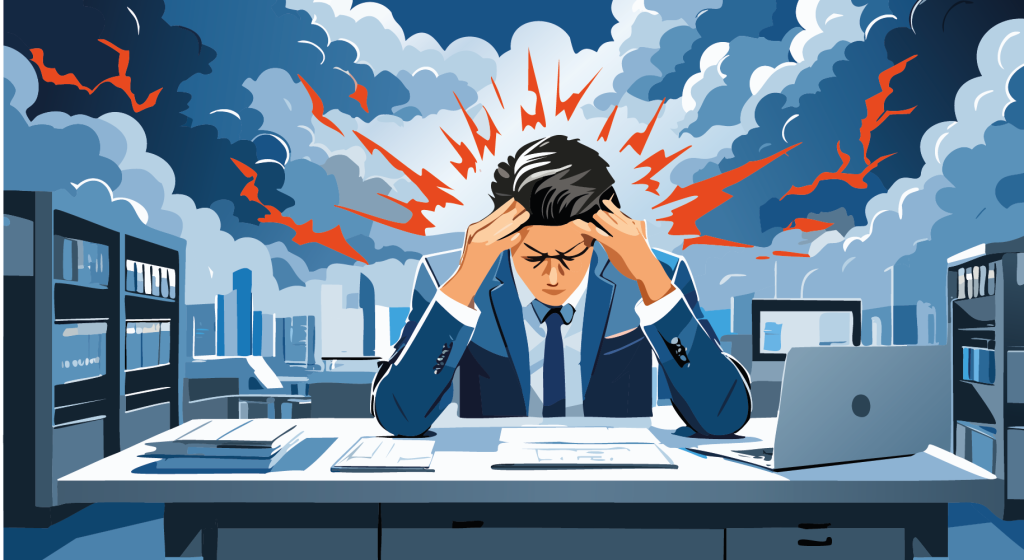
Why is it that when you have such an important public position, you get involved? Does it indicate internal corruption? Does it indicate that the director was rotten, corrupt with prisoners? What could have gone through the mind of a civil servant in such a position to turn against the state and get involved in crime? Did he give in to the bewitching proposals of the silver-fingered inmates?
Has the sight of all those horrible files and unsavory faces taken its toll on this warden’s sanity? Working in a prison is no picnic. And even less so for the employees who have to deal with attempted suicides, assaults, invasive lack of hygiene, depressing infrastructures, screaming, inappropriate behavior, etc.
When you’re a victim of Flemish “walk straight, be proud and shut up” nationalism, isn’t there a great temptation to find an outlet and a temporarily liberating and transcendent experience in this consumable?
Basically, when you’re too forced to stop breathing and thinking for yourself, there’s a form of liberation in drugs.
This is Flanders: Money, Sadism, Cocaine


